Phone orders
Phone orders fell from 60% to 20% of all orders – guests moved to the own website and app, and the lines freed up.

CASE STUDY · KIRÁLY EXPRESSZ · KECSKEMÉT
1,000–1,200 addresses a day, 20–25 couriers, one system behind it.
Király Expressz in Kecskemét was one of Hungary’s largest delivery pizzerias. Here is how OneMin ran the whole operation, from the kitchen to the couriers.
THE STORY
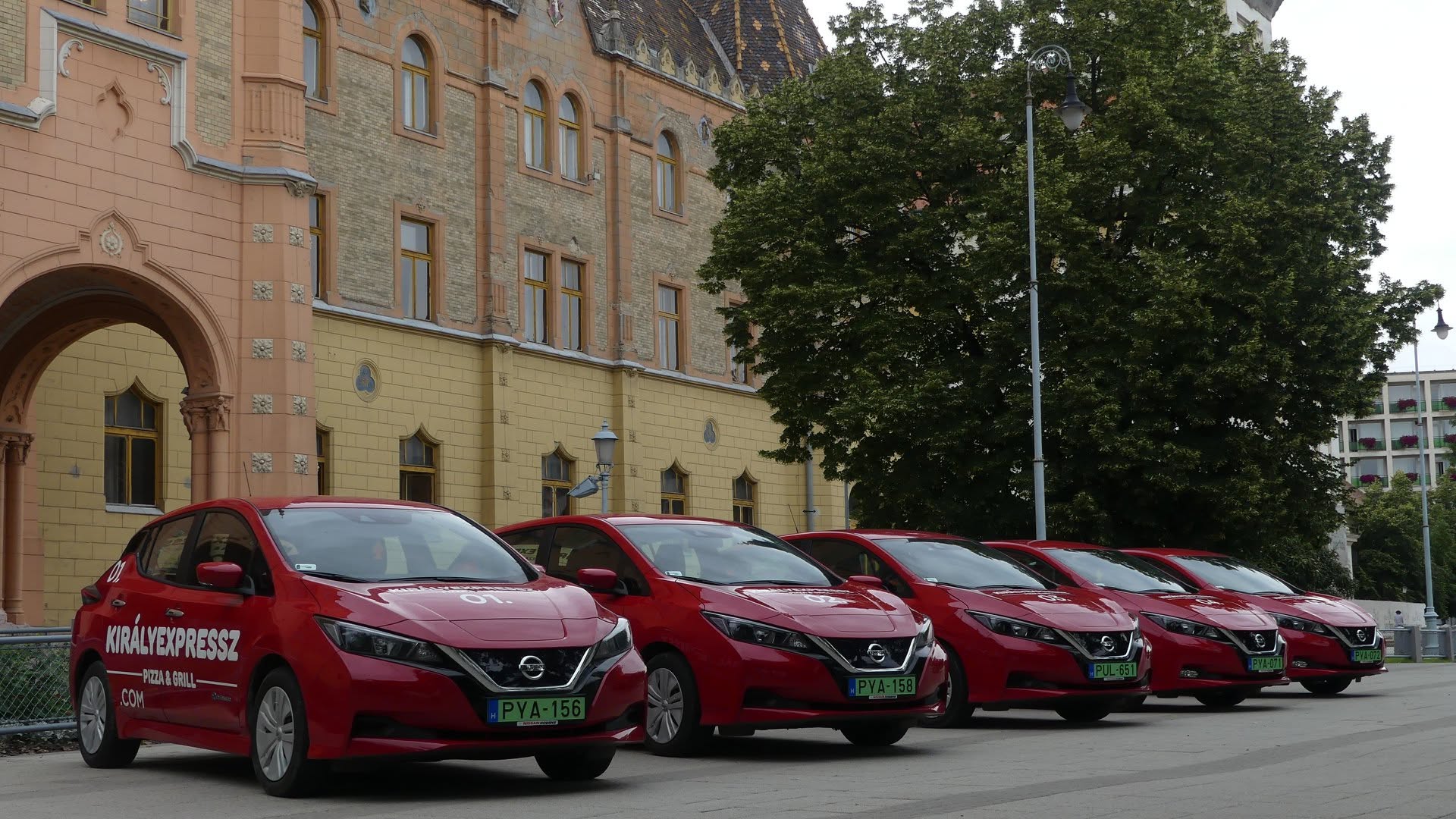
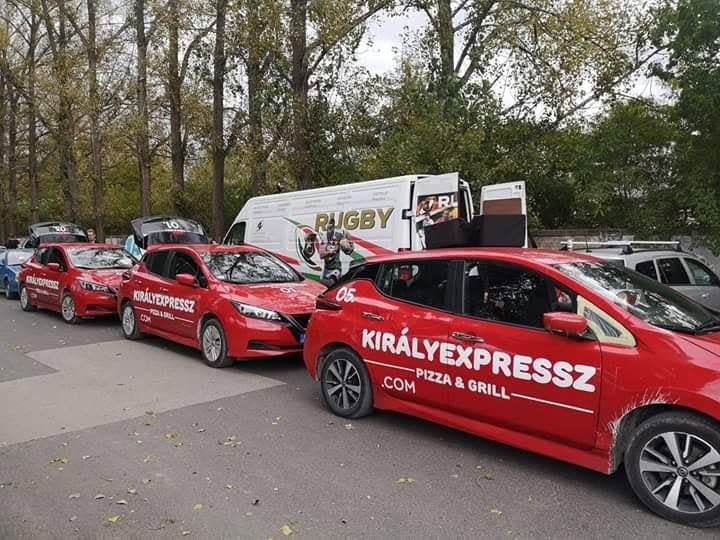
For years Király Expressz was one of the best-known names in Kecskemét: delivery only, with its own red car fleet and 20–25 couriers. They sent out thousands of pizzas a day – not just many, but at consistent quality, on time and at very competitive prices.
By the end it was no longer a traditional restaurant but a factory. Everyone – in the kitchen, at the dispatch desk and on the road – did what the software told them. OneMin directed every step, so even at peak they delivered smoothly to 1,000–1,200 addresses a day.
In 2022 the owner moved into another business and the restaurant closed – its volume was taken over by several local restaurants. Their story is still a model for every delivery business: this is how you run big and stay in control.
THE RESULTS – REAL NUMBERS
These are not marketing figures – this is what happened at Király Expressz after the own channels launched.
Phone orders fell from 60% to 20% of all orders – guests moved to the own website and app, and the lines freed up.
Commission paid to delivery platforms was cut in half: what used to cost X became ½X.
With all that volume, deliveries still ran smoothly – the software directed every step.
The whole courier fleet on one screen, in real time.
CHALLENGES AND SOLUTIONS
At peak, orders pour in – the kitchen needs an exact sequence.
At peak orders keep arriving; on paper it is impossible to follow.
Every order instantly on the kitchen screen, in sequence and timed – the kitchen display directs the process.
Phone, website, app, Foodora – each alerts somewhere else.
Every channel lands in one place, Foodora included – no separate tablets, no retyping.
Speed starts at the phone and ends with the courier.
Name and address have to be asked for on every call.
The system recognises the caller’s number and brings up previous addresses and orders – taking an order takes seconds.
Coordinating that many couriers by memory or paper is impossible.
Courier tracking: who is where, which order is with whom, when it arrives – 20–25 couriers at once on one screen.
Most important: the platform should not profit from your own guests.
At this volume, platform commissions take millions.
Own website and app where guests order commission-free and guest data stays with the restaurant.
Regulars must be kept, not bought again.
Own loyalty program and in-app discounts that steer orders to the own channel.
THE SOLUTION
Five pillars, one connected system – OneMin ran practically everything.
Every order in sequence and timed on screen – the kitchen always knew what to make next.
DetailsCaller recognition and every order in one place – dispatchers worked fast and error-free.
DetailsReal-time tracking of couriers and orders, so hundreds – at peak 1,000–1,200 – addresses a day ran smoothly.
DetailsBranded website and app where no commission is paid after the order.
DetailsDiscounts and loyalty on the own channel, so regulars order where it is best for the restaurant.
Details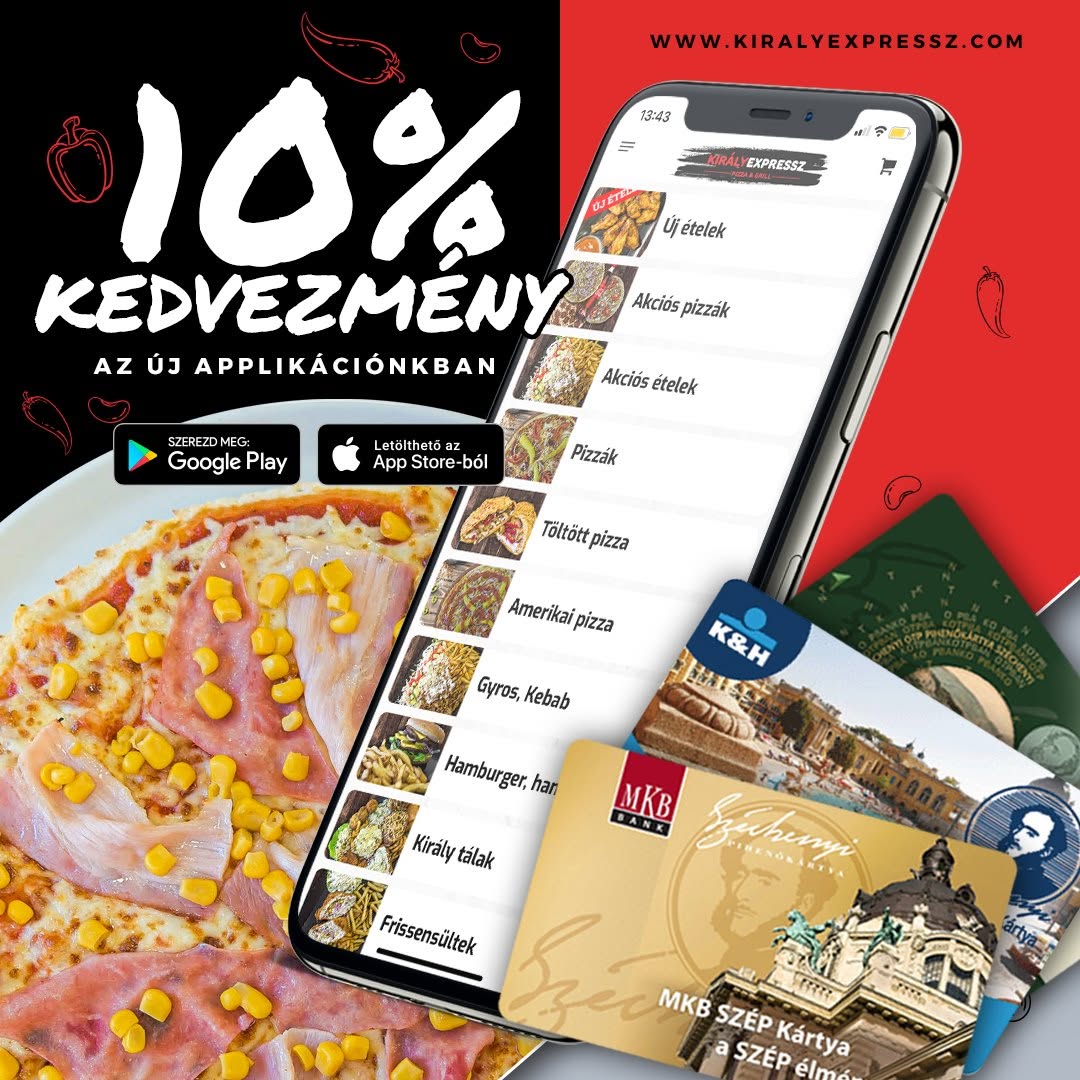
THE KEY LESSON
Király Expressz stressed this most: at this volume you cannot rely on platforms. You need your own website, app and loyalty system so the revenue stays with the restaurant.
Orders placed in your own app and website carry no commission.
You know who orders what and how often – and can reach them again.
Even a 10% app discount is enough to make guests choose your own channel.
Foodora and own orders land in the same place, in the same queue.
Our report on how Király Expressz worked – a pizza factory from the inside (in Hungarian).
Tell us how your delivery works and we’ll show you how to turn it into a smooth, scalable system.
I want this tooIf there is one area of restaurant operations that everyone considered a "necessary evil", it is inventory management. Papers, spreadsheets, manual counting, disappearing stock, inaccurate inventory, stressful closings.Read more

In the digital world, good reviews are one of the strongest trust-building tools. Before a guest makes a reservation or places an order, they almost certainly check the venue's Google reviews.
Read more
A restaurant dispatcher has four main tasks. Let's see which ones AI can take over — and which ones it can't.
Read more
Let's look at the concrete numbers: 3-4 dispatchers' monthly salary is 1.5-2 million HUF — the AI system + 1 person can reduce this to a single person's cost level.
Read more